




Basis Planning After the 2026 Exemption Increase


For years, high-net-worth estate planning centered on one dominant question: how do you move appreciating assets out of the taxable estate before the federal estate tax takes a large bite? That question has not disappeared, but the 2026 increase in the federal basic exclusion amount to $15 million per person changes the balance of the analysis for many Colorado families. At the same time, Colorado still does not impose a separate state estate tax. As a result, for a large group of Colorado residents, income tax basis planning may now matter more in day-to-day estate design than transfer tax minimization.
That does not mean estate tax planning is obsolete. It means the planning conversation has become more nuanced. If your estate is comfortably below the federal threshold, or only modestly above it depending on future appreciation, your family may lose more to capital gains tax from poor basis planning than it would ever lose to estate tax. For lawyers, accountants, and financially sophisticated clients, this is where the real work begins.
Why Basis Matters More Than Many Families Realize
Basis is the tax starting point for measuring gain when an asset is sold. If you bought stock for $200,000 and it is worth $1.2 million at your death, the difference between carrying over your original basis and receiving a step-up to fair market value can mean hundreds of thousands of dollars in tax consequences. The same is true for a family business, investment real estate along the Front Range, or even a residence that has appreciated well beyond the capital gain exclusion rules.
When a person dies owning appreciated assets, those assets generally receive a basis adjustment to fair market value at death. That step-up can erase unrealized capital gain. In a climate where fewer Colorado families face federal estate tax exposure because of the larger exemption, preserving that basis adjustment becomes a central planning objective rather than a secondary consideration.
The 2026 Exemption Increase Changes the Old Default Thinking
Many older estate plans were drafted in a lower-exemption world. Those plans often favored aggressive lifetime gifting, automatic bypass trust funding, and other strategies designed to push appreciation out of the taxable estate as early as possible. In the right tax environment, those moves made sense.
The problem is that a strategy designed to save estate tax can unintentionally sacrifice basis. If a family transfers low-basis assets out of the estate too early, those assets may never receive a step-up at death. That can leave children or other beneficiaries holding highly appreciated property with a built-in capital gain problem.
In 2026, with a $15 million federal exclusion amount per person, many Colorado families should revisit whether older transfer-tax-driven strategies still fit. Some will. Some will not. The answer depends on net worth, asset mix, expected growth, marital structure, philanthropic intent, and family risk tolerance. But the larger point is this: not every appreciated asset should automatically be pushed out of the estate just because that was once considered tax efficient.
Colorado Families Often Hold the Exact Assets Where Basis Planning Matters Most
This issue has special relevance in Colorado because many residents hold assets with substantial embedded gain.
A long-held Boulder or Denver home may have appreciated dramatically over decades. A closely held business may have grown from a small operating company into a very valuable enterprise. Marketable securities accumulated over a long career may carry extremely low basis. Mountain property that once seemed like a modest second-home purchase may now represent a significant gain position.
Those are not unusual facts. They are common facts. That is why basis planning has moved into the center of sophisticated estate planning for Colorado residents. Families are not just planning for death taxes. They are planning for what happens when heirs need liquidity, want to diversify, or decide to sell inherited assets.
When Lifetime Gifting Still Makes Sense
The answer is not to stop gifting altogether. Lifetime gifts remain useful in several situations.
They can remove future appreciation from the estate. They can support children or grandchildren now rather than later. They can help fund irrevocable trusts that protect assets from creditors, divorce, or estate taxation over multiple generations. They can also serve broader family objectives that have little to do with tax minimization.
Still, lifetime gifting comes with a cost that should be discussed clearly: most gifted assets carry over the donor’s basis. That means the recipient takes the donor’s historical tax position. If the asset is later sold, the built-in gain remains.
For that reason, gifting high-basis assets and retaining low-basis assets may sometimes be the better move. In other cases, planners may decide to gift business interests expected to grow rapidly while retaining highly appreciated marketable securities or real estate that would benefit from a later basis step-up. This is where asset-by-asset planning matters.
Why Older Bypass Trust Plans Deserve Another Look
For married couples, the 2026 environment also raises fresh questions about classic bypass-trust planning.
A bypass trust can still be an excellent tool. It can protect assets from a surviving spouse’s creditors. It can shelter post-death appreciation. It can preserve GST planning opportunities. It can provide structure in second-marriage situations or where children from a prior relationship are involved.
But bypass trusts can also limit access to a second basis adjustment at the surviving spouse’s death. If the first spouse’s trust is funded automatically with low-basis assets that then remain outside the surviving spouse’s taxable estate, those assets may miss the second step-up entirely.
That does not mean bypass trusts are outdated. It means the funding formula, the asset allocation, and the use of disclaimer-based flexibility deserve careful review. In many plans, the smarter path is not to eliminate the bypass trust but to build optionality into the structure so the family can respond to the tax law and asset values that actually exist when the first spouse dies.
Basis Planning Is Also a Liquidity Planning Tool
Basis planning is not just about tax theory. It affects real family decisions.
If children inherit a concentrated stock position with a stepped-up basis, they may be able to diversify quickly without triggering large capital gains. If they inherit low-basis real estate without a meaningful basis adjustment, a sale may become much more expensive and emotionally difficult. If a family business is later sold after the death of a founder, the difference in basis can dramatically change the after-tax economics of the transaction.
In that sense, good basis planning creates flexibility. It gives heirs room to sell, hold, refinance, or restructure assets without an unnecessary tax burden locking them into place.
Sophisticated Plans Now Need Both Transfer Tax and Basis Analysis
The strongest modern estate plans do not treat estate tax and basis as competing silos. They weigh both.
For some families, the transfer tax risk still dominates. For others, especially in Colorado after the 2026 exemption increase, the income tax consequences tied to basis may be the more pressing issue. The planning process should involve a careful inventory of asset values, estimated basis, projected appreciation, and likely post-death goals for each asset class.
That is also why this topic matters to other lawyers. Estate planning now requires more than document drafting. It requires a working understanding of tax character, basis exposure, trust design, and the practical habits of fiduciaries and beneficiaries. Lawyers who continue to draft as though every family is still planning under an old exemption regime risk leaving serious value on the table.
Practical Questions Families Should Be Asking Right Now
A useful review starts with straightforward but revealing questions.
- Which assets have the lowest basis?
- Which assets are most likely to be sold soon after death?
- Which assets should remain inside the taxable estate to preserve a step-up?
- Which assets still belong in irrevocable trusts for protection or multigenerational planning despite the carryover basis issue?
- Does the current plan force automatic results that no longer make sense in a $15 million exemption environment?
These are not abstract questions. They are the core of intelligent post-2026 estate planning.
The Right Plan Is Usually More Flexible Than It Used to Be
The old instinct was often to lock in tax savings as early and aggressively as possible. The better instinct now is frequently to preserve room for judgment.
That may mean disclaimer planning for spouses. It may mean swap powers in certain grantor trusts. It may mean revisiting trust funding formulas or changing which assets are earmarked for lifetime gifting versus retention until death. It may also mean doing less, not more, when the tax case for aggressive transfers has weakened and the basis case for retention has strengthened.
Flexibility is not indecision. In this environment, flexibility is a planning asset.
Contact Braverman Law Group, LLC
If your estate plan was designed around older exemption assumptions, now is a smart time to revisit it. Basis planning after the 2026 exemption increase calls for a more detailed and more sophisticated review of your assets, your trusts, and your long-term family goals. Braverman Law Group, LLC helps Colorado families evaluate how income tax basis, trust design, and wealth-transfer planning fit together in the current environment. To discuss your plan, contact Braverman Law Group, LLC at (303) 800-1588 to schedule a consultation.
Address
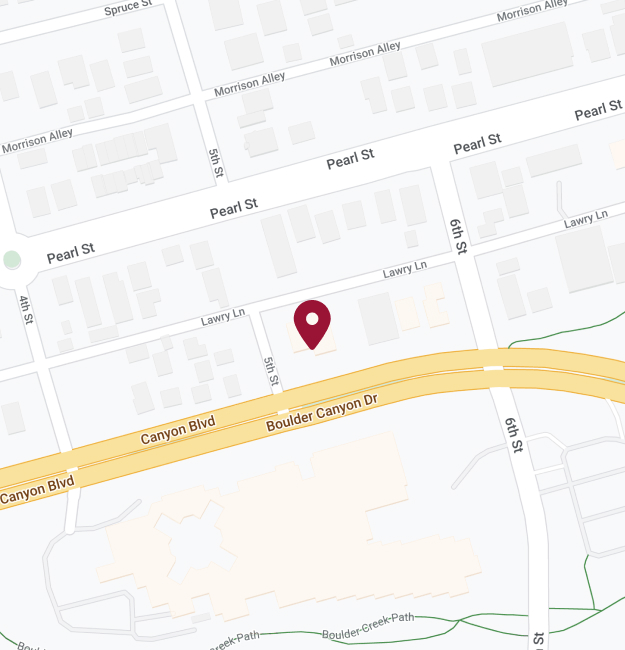
Located in downtown Boulder, across from the Justice Center. Take Canyon Boulevard to 5th Street. Our building is right on the corner of 5th and Canyon, with exposed red brick on the front. We offer onsite underground parking just to the right after you turn onto 5th. An elevator takes you to our open and light offices on the second floor.


