




Portability Or Disclaimer Funding After 2026: A Guide for Colorado Families


Colorado families keep asking the same question as the federal exemption heads toward a likely drop in 2026: should you rely on portability, or should you keep a bypass trust on standby and fund it by disclaimer if needed? The right answer depends on cash flow, basis management, remarriage risk, creditor exposure, and administrative discipline. This guide explains how each path works, where each shines, and how to draft a plan that lets future you decide with better information.
What Portability Actually Preserves
Portability lets the survivor claim the deceased spouse’s unused estate-tax exemption (often called the DSUE amount) so that the survivor can shelter more at their own death. To capture DSUE, the personal representative files a timely estate tax return for the deceased spouse, even when no tax is due. When properly elected, portability can eliminate the need to lock assets inside a credit-shelter trust at the first death, which keeps the survivor’s balance sheet simpler and may preserve a second basis adjustment at the survivor’s death. The key takeaway is that portability saves exemption amount, not state estate tax or creditor exposure.
For many Colorado couples, the simplicity and basis benefits are compelling because Colorado has no state estate or inheritance tax and many families hold appreciated residences and marketable securities where basis planning matters.
Where Portability Fails Or Underperforms
Portability is not a shield against future creditors, new spouses, or spend-down risk. If someone sues the survivor, remarries, or drifts toward poor financial decisions, the combined estate remains exposed. Portability also does not multiply GST exemption in the same way that a well-funded bypass trust can. If multigenerational planning is a priority, relying solely on DSUE can leave grandchildren’s wealth exposed to estate tax at the survivor’s death. Finally, portability demands paperwork discipline. Miss the return, and the DSUE may be lost. Although there are relief procedures for late elections, they are not guaranteed and can add cost and delay.
How Disclaimer Funding Keeps Options Open
A disclaimer plan leaves everything outright to the survivor but builds a route to a bypass trust if conditions favor funding one after the first death. The survivor, advised by counsel and the trustee, can disclaim within the nine-month window, causing the disclaimed share to pass into a pre-drafted credit-shelter trust. That trust can include descendants (and sometimes the survivor in a carefully limited way) and can be structured for creditor protection, divorce insulation, and GST leverage. The important point is that you choose after the fact, when values, exemptions, and family circumstances are known rather than guessed.
When Disclaimer Funding Outperforms
Disclaimer funding tends to win when the survivor faces litigation risk, works in a high-liability profession, anticipates remarriage, or simply wants institutional guardrails. It also shines when the couple expects to do multigenerational planning, because a properly structured bypass trust can be fully GST-exempt and grow outside future transfer taxes. In volatile markets, the trustee can place high-growth assets in the bypass trust and leave high-basis or slower-growth assets with the survivor, improving combined after-tax results over time. The discretion to size the trust based on the exemption in effect at the date of death—rather than what Congress promised years earlier—is the core strategic advantage.
Drafting Elements That Separate Strong Plans From Weak Ones
A sophisticated plan needs crisp language, clean mechanics, and realistic administration. Before anyone signs, add these elements so the survivor is set up to choose well later and so lawyers have the tools they need to execute.
- Funding Flexibility With Guardrails. Spell out a formula disclaimer option, a fixed-dollar option, and a hybrid that caps the bypass trust at the then-applicable exemption. That trio lets the survivor avoid overfunding when estate tax risk is low and shift more when it is high. Close this section by confirming that any disclaimer must be voluntary, unqualified, and made within the statutory window.
- Basis-And-Swap Provisions. Give the trustee swap power in the bypass trust so the survivor (or the survivor’s agent) can exchange low-basis assets out of the trust for high-basis assets late in life. This preserves creditor protection while improving basis results before the survivor’s death. Finish the provision by directing the trustee to keep contemporaneous records of all swaps and valuations.
- Directed Trustee Or Distribution Committee. Use a directed-trust framework so investment and distribution calls are separated. An independent distribution trustee adds creditor protection, while an investment advisor keeps portfolio decisions nimble. Close by naming a practical succession chain so vacancies never stall administration.
- GST Language That Actually Works. Authorize allocation of GST exemption to any disclaimed share, and let the fiduciary elect “late allocation” where permitted. Finish by instructing the preparer to explicitly state allocations and trust identifiers on the survivor’s returns.
- Housing, Liquidity, And Buy-Sell Coordination. If the couple’s wealth sits in a residence and a closely held company, the plan should address occupancy rights, rent, capital improvements, and any shareholder agreements. Wrap up by giving the trustee authority to finance or refinance real estate inside the trust without losing protection.
Each of these drafting pieces starts with legal theory but ends with operational clarity. You want future administrators to know what to do on day one.
Practical Scenarios That Drive The Choice
It helps to run a few lived-in scenarios before deciding which default your plan should prefer. Consider three common Colorado profiles and what tends to work best. The first profile is Equity-Heavy Retirees. A couple in Boulder with a paid-off house and sizeable brokerage accounts often benefits from portability, because a double step-up can erase decades of embedded gains. End this analysis by noting that a disclaimer trust should still be available if health events or liability concerns arise.
The second profile is The Professional With Exposure. A physician in Denver or an entrepreneur in Fort Collins may lean toward disclaimer funding because creditor protection and guardrails add tangible value that portability cannot replicate. Close this by reminding readers that a modestly funded bypass trust can still leave ample assets outright for lifestyle comfort.
The third profile is The Multigenerational Planner. A family aiming to endow education and healthcare for descendants usually favors disclaimer funding with strong GST provisions. Conclude by observing that portability can ride along as a backstop if the survivor elects it for any remaining outright assets.
Administration: The Difference Between Good And Great Outcomes
Plans live or die in administration. To make either approach work, establish a playbook. First, name a proactive personal representative who will gather appraisals quickly and manage the estate-tax return calendar. Second, engage a CPA who understands both basis strategy and the portability election mechanics. Third, keep a living balance sheet, so the survivor and trustee can see which assets belong where, how basis sits today, and how the exemption interacts with projected growth. Finally, build an annual “trust tune-up” meeting into the plan, so swaps, distributions, and GST tracking do not drift.
How Colorado’s Elective Share And No State Estate Tax Factor In
Colorado’s elective-share regime means a surviving spouse can claim a statutory share of the augmented estate despite the will’s terms. A clean disclaimer plan should coordinate with a marital agreement or, at minimum, provide disclosure and consent so the survivor’s post-death disclaimer does not collide with elective-share expectations. Colorado also lacks a state estate tax, which makes basis planning and creditor protection comparatively more valuable than state-tax arbitrage. The lesson is simple: because the state takes less at death, you should take more care with income-tax and protection details during life.
Putting It Together For Colorado Families And Their Advisors
You do not have to choose portability or disclaimer funding today. You have to choose flexibility that your future self can use. A well-built Colorado plan names the right people, sets the timelines, equips the trustee with basis tools, and leaves a bypass trust on the shelf that can be filled—or not—when the moment arrives. For lawyers, the aim is to give the survivor election points without hidden traps. For families, the aim is to keep simplicity when simplicity helps and to add structure when the world gets messy.
Talk With Braverman Law Group
If you want a plan that can pivot gracefully in 2026 and beyond, Braverman Law Group can design a portability-first plan with a disclaimer safety valve, or a disclaimer-first plan with portability as a backstop, tailored to your assets and risk profile. Call Braverman Law Group at (303) 800-1588 to schedule a strategy session and see models comparing both paths with your actual numbers.
Address
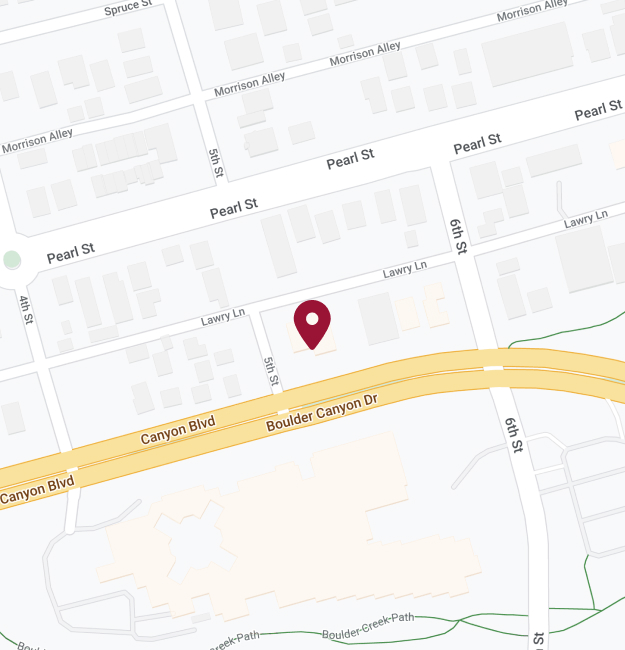
Located in downtown Boulder, across from the Justice Center. Take Canyon Boulevard to 5th Street. Our building is right on the corner of 5th and Canyon, with exposed red brick on the front. We offer onsite underground parking just to the right after you turn onto 5th. An elevator takes you to our open and light offices on the second floor.


