



The Modern Estate Plan in Colorado: How to Build Flexibility, Tax Efficiency, and Probate Avoidance Without Overengineering


Estate planning attorneys see the same pattern again and again. A client arrives with a will that does not match the asset titles, beneficiary designations that were never updated after life events, and a “trust” that exists only as a binder on a shelf. Braverman Law Group works with Boulder Estate Planning Lawyers Serving Colorado to build plans that function in the real world, not just on paper, by aligning documents, titling, beneficiary designations, and administration workflows from day one. A well-structured plan does not need gimmicks. You need clarity on objectives, clean mechanics, and intentional tradeoffs.
Start With Objectives, Then Match the Tools
Sophisticated planning begins with a short list of outcomes, not a long list of documents. Most clients want some combination of probate avoidance, control during incapacity, tax efficiency, creditor protection, and smooth administration for a surviving spouse or children. Each goal pushes you toward certain tools and away from others. A revocable trust can deliver continuity and privacy, yet it can also invite needless complexity when a client has modest assets or a simple distribution scheme. A will-only plan can work fine for the right profile, yet it often collapses under the weight of beneficiary designations and joint ownership that operate outside probate. The practical move is to choose a structure, then audit the entire asset map to confirm that the structure actually governs what matters.
Probate Avoidance Is an Asset-Mapping Project
Clients often treat probate as a document problem. In reality, probate exposure is largely a function of title. Attorneys who focus on the mechanics early reduce the risk of later surprises. Colorado’s probate process can be efficient when the estate is straightforward and uncontested, yet many families still prefer to avoid court involvement, delays in access, and public filings. Revocable trusts remain the primary vehicle for that preference, with pour-over wills acting as a safety net rather than the main engine. The overlooked detail is that a trust plan without consistent funding can create a two-track administration, with a trust administration running in parallel with probate for straggler assets. That outcome frustrates families and makes the attorney look disorganized. A disciplined funding and beneficiary review solves most of the problems.
Incapacity Planning Matters More Than Death Planning
A sophisticated plan treats incapacity as the central operational risk. Health events occur more often than death, and they create immediate access needs. Durable financial powers of attorney, health care powers of attorney, living wills, and HIPAA authorizations should work as a coordinated set. The more meaningful work comes after signing, when the attorney and client verify that the plan will function during a real emergency. That means confirming where originals live, who has copies, how agents can access financial institutions, and whether institutions impose their own forms or notarization requirements. The trust also plays a role here, since a successor trustee can step in without court appointment if the trust defines incapacity and the process for determining it. A plan that ignores these mechanics can force a family to file for guardianship or conservatorship despite “good documents.”
Colorado Tax Planning Requires Pragmatism and Optionality
Higher-level tax planning begins with the admission that the rules change. The best plans build options rather than betting everything on one set of thresholds. For married clients, traditional credit-shelter or family-trust planning can preserve exemptions and protect assets, but it can also create administrative friction when the surviving spouse needs simplicity. Many modern plans solve this by using disclaimer-based planning and trust provisions that allow post-death flexibility. That approach keeps the plan nimble and allows the family, guided by counsel, to decide after death whether to fund a bypass structure, keep assets outright, or use a blend that fits tax exposure, creditor risk, and family dynamics.
For higher-net-worth clients, lifetime gifting, valuation planning for closely held interests, and charitable techniques may be part of the conversation. The key is matching the technique to the client’s tolerance for complexity and ongoing maintenance. A brilliant strategy that requires perfect annual execution often fails in practice. A slightly less aggressive strategy that the client will actually adhere to tends to win out over time.
Trust Design Should Anticipate Administration, Not Just Distribution
Attorneys and fiduciaries know that the distribution scheme is only half the battle. The other half is administration. A trust that reads cleanly at signing can become painful if it creates ambiguous standards, conflicting trustee powers, or unclear accounting expectations. Higher-level drafting anticipates the questions that appear in the first sixty days after death or incapacity. Who has the authority to manage real property? How do you handle digital assets and device access? What is the plan for closely held business interests? Are there clear successor trustee provisions? Does the instrument authorize tax elections and allocate tax burdens in a predictable way?
You also need to plan for interpersonal reality. Blended families, unequal gifts, or family members with addiction or disability issues require careful guardrails. In those cases, trust terms that stage distributions, authorize professional trustee involvement, and provide clear standards can reduce litigation risk and protect beneficiaries from their own vulnerabilities.
The Hidden Risk Is Misalignment Across the Whole Plan
Most estate disputes arise from a mismatch, not from a lack of paperwork. A trust says one thing, a beneficiary form says another, and the family assumes the trust controls. Retirement accounts, life insurance, and transfer-on-death registrations pass by contract. Real estate may pass by joint tenancy. Pay-on-death bank accounts may bypass everything. A higher-level practice treats beneficiary review as core legal work rather than clerical follow-up. The attorney should also verify titling for brokerage accounts, confirm the deed language, and coordinate with financial advisors to ensure the entire transfer system aligns.
The same alignment issue appears in tax planning. A formula bequest in a trust can behave unpredictably when asset values change, when the estate includes large retirement accounts, or when liquidity is tight. Careful drafting and clear funding instructions reduce the risk that a technically correct clause leads to messy administration.
A Practical Checklist for a High-Functioning Plan
This short checklist captures what separates a plan that “exists” from one that works, and keeps the process disciplined without turning it into a spreadsheet exercise.
- Confirm every major asset category and how it transfers at death, including beneficiary designations and title.
- Align fiduciary roles across documents so the named agents and trustees make sense together.
- Build post-death flexibility for married clients, given that tax and family circumstances can change.
- Document a funding plan for trust-based structures, with clear responsibility and follow-through.
- Anticipate administrative friction points, including real estate, digital access, business interests, and liquidity.
This is the work that prevents future disputes and reduces the chance that a family needs emergency court intervention.
Why Attorney-to-Attorney Collaboration Improves Outcomes
Sophisticated estate planning in Colorado often depends on coordination with other professionals. A client’s CPA may see income tax consequences that drive the distribution strategy. A financial advisor may identify beneficiary designations that undermine the plan. A business attorney may help structure succession for an entity interest that the trust will hold. When the estate planning attorney leads that coordination, clients get a plan that is internally consistent and defensible if challenged. That coordination also reduces malpractice exposure, since the record reflects an intentional process rather than a set of disconnected forms.
Contact Braverman Law Group
If you want a plan built for real administration and long-term flexibility, contact Braverman Law Group. Our team supports Boulder Estate Planning Lawyers Serving Colorado with high-level estate planning, probate, and tax-aware strategies designed to hold up under real-world complexity. To get started, contact Braverman Law Group at (303) 800-1588.
Address
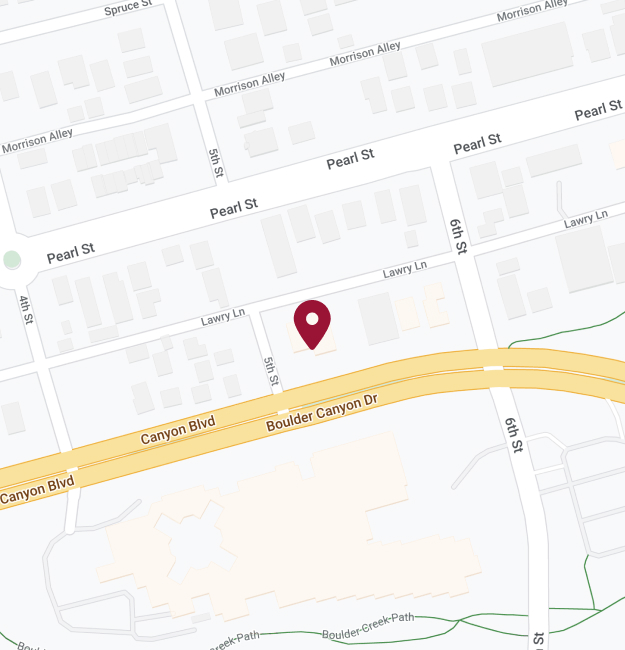
Located in downtown Boulder, across from the Justice Center. Take Canyon Boulevard to 5th Street. Our building is right on the corner of 5th and Canyon, with exposed red brick on the front. We offer onsite underground parking just to the right after you turn onto 5th. An elevator takes you to our open and light offices on the second floor.


