
Wills - Trusts - Estates
Serving All of Colorado






Estate and tax planning for California individuals and families who are selling major assets, receiving an inheritance, or coming into sudden wealth
If you live in California and a large sum is heading your way – from selling appreciated real estate, cashing in a concentrated stock position, receiving a sizable inheritance, or another windfall – the stakes for good planning are higher here than almost anywhere else in the country. California taxes the gain on top of the federal bill at one of the highest rates in the nation, and the most valuable moves usually have to happen before the money arrives. On this page we answer the questions we hear most often from California families facing a liquidity event.
Because California taxes capital gains as ordinary income, at a top rate of 13.3% – the highest of any state. That sits on top of federal capital gains tax and, for many sellers, the 3.8% net investment income tax. On a large sale, the combined bill can approach or exceed a third of the gain, which means the planning that reduces or defers that tax is worth far more to a Californian than to someone in a low-tax state. The upside of that hard fact is that thoughtful, early planning has an outsized payoff here.
The core idea is to move value out of your taxable estate, and in some cases out of the reach of capital gains tax, before the sale price is locked in. When you still control the timing, you have the most options. We generally work with a combination of gifting a portion of the asset to an irrevocable trust before the sale, so future appreciation and the proceeds grow outside your estate; and contributing the highly appreciated real estate or stock to a charitable remainder trust, which can sell the asset without immediate capital gains tax and pay you an income stream for life. A charitable remainder trust is especially powerful in California precisely because the state tax it defers is so high.
The right plan depends on how much you’re selling, your charitable goals, whether you need the proceeds for income, and how much of your lifetime gift tax exemption you still have. Starting early is what lets us layer several strategies together.
Be careful here – California has largely closed this door, and getting it wrong is expensive. In 2023 California changed its law to treat incomplete-gift non-grantor trusts (the “NING” and “DING” trusts that were marketed to sidestep state income tax) as grantor trusts for California purposes, which means the income flows back to the California resident and is taxed here anyway. California also taxes trust income based on the residence of the trustees and beneficiaries and applies aggressive residency and source rules to people and assets connected to the state.
None of that makes out-of-state planning useless, but it does mean the simple “just use a Nevada or Wyoming trust to dodge California tax” pitch usually doesn’t work as advertised. Real savings come from properly structured, defensible planning done before a sale, coordinated with your tax advisor. That’s the work we do.
Yes, and it’s one of California’s genuine advantages. Because California is a community property state, when one spouse dies, assets held as community property generally receive a full step-up in cost basis on both halves – not just the deceased spouse’s share. For a couple holding highly appreciated real estate or stock, that “double step-up” can wipe out decades of built-in capital gain, so how you title and hold assets matters enormously to what your family owes later. We plan around this deliberately rather than leaving it to chance.
When wealth comes to you rather than from a sale, the focus shifts to protecting what you receive and folding it into your own plan. Priorities usually include understanding the income tax picture and the step-up in basis on inherited assets, deciding whether to hold the inheritance in a trust that protects it from creditors, lawsuits, and divorce rather than taking it outright, and updating your own estate plan, since a large inheritance can push your estate toward the federal estate tax threshold. If the inheritance comes through a trust, how you receive and manage those distributions can carry lasting California tax consequences, so it’s worth reviewing before you take possession.
No. California currently has no state estate or inheritance tax, so the planning here targets two things: the federal estate tax, and California’s very high income tax on the sale. As of 2026, the federal gift and estate tax exemption is a permanent $15 million per person, or $30 million for a married couple, which gives most families substantial room to move value out of the estate before a sale. That exemption can be changed by a future Congress, and the income-tax and asset-protection benefits of good planning apply well below it.
For a sale you control, waiting until after closing costs you the strategies that only work while the asset is still held – the valuation discounts are gone, the proceeds are already in your estate at full value, and the chance to shift future appreciation to a trust has passed. Given California’s tax rate, that lost opportunity is especially costly here. However, estate tax planning is still valuable. For an inheritance or settlement, meaningful planning is still available afterward, though some of the strongest protections are easier to put in place before you take possession.
Diedre Wachbrit Braverman is licensed in California and builds plans around your specific situation, coordinated with your CPA and financial advisor so nothing falls through the cracks. That starts with understanding your goals for your family, your income, and any charitable intentions, then designing the combination of trusts, gifting, and protective structures that fits California law and your circumstances. If a major sale, an inheritance, or another liquidity event is on your horizon, reach out to schedule a planning conversation. The sooner we start, the more we can do.
This page is general information about California and federal law and is not legal or tax advice. Every situation is different, and tax rules change. Please consult us directly, along with your tax advisor, before acting on any strategy described here.
Related: Planning for High Net Worth Clients · Colorado liquidity-event planning · Wyoming trusts and liquidity-event planning · Asset Protection
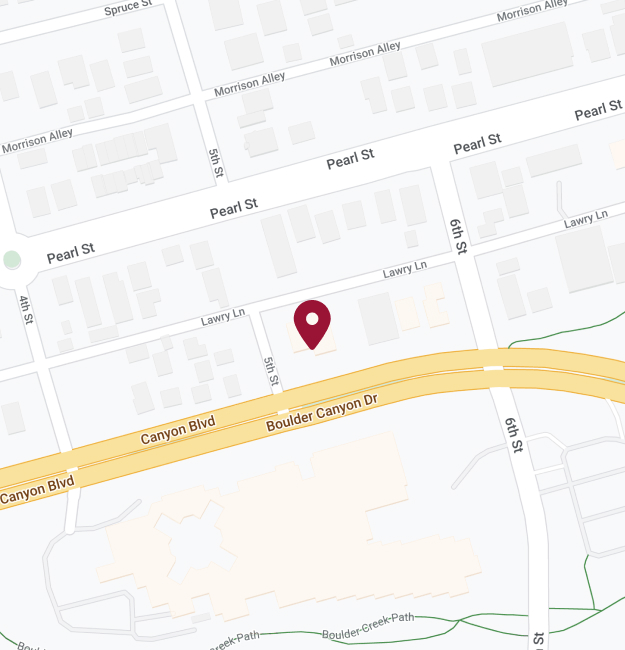
Located in downtown Boulder, across from the Justice Center. Take Canyon Boulevard to 5th Street. Our building is right on the corner of 5th and Canyon, with exposed red brick on the front. We offer onsite underground parking just to the right after you turn onto 5th. An elevator takes you to our open and light offices on the second floor.


