





New Colorado Guardianship Law and the Plan That Avoids It


Last updated 2026-08-31 · Reviewed by Diedre Braverman
A Colorado law that took effect on August 12, 2026 gives adults under court-ordered guardianship a defined set of rights for the first time and requires a guardian to give at least 30 days of warning before moving the person permanently into a nursing home or a facility that limits their ability to leave or have visitors. House Bill 26-1100 changes how guardianship operates for families already living inside it. For families who have not reached that point, it describes plainly what guardianship is. A court, rather than a person the family chose, decides where an incapacitated adult lives and who is allowed to see them.
That description is the reason to pay attention now rather than later. Guardianship is the arrangement Colorado law falls back on when an adult can no longer make decisions and has signed nothing naming who should step in. The same law lets almost anyone avoid it, by naming trusted agents in advance through a durable financial power of attorney and a medical durable power of attorney. Those documents keep the decision inside the family and out of a courtroom, which is why the new bill of rights reads, for anyone still able to plan, as a portrait of the process worth staying out of.
What House Bill 26-1100 Changes
The act does two concrete things. It establishes a bill of rights for an adult subject to guardianship, referred to in the statute as a ward, and it spells out which decisions a court may authorize a guardian to make on that person’s behalf. It also adds a duty for the guardian to notify the ward at least 30 days before any permanent move to a nursing home, a mental health institution, or another facility that restricts the person’s freedom to leave or to have visitors.
Both changes sit within Part 3 of Article 14 of the Colorado Probate Code, the part that governs guardianship of an incapacitated adult. For a family already living with a guardianship, the notice requirement is the provision most likely to come up first, because a permanent placement is often the moment a family feels a decision was made around them rather than with them. The 30-day window exists to interrupt that.
For a family that has not yet faced incapacity in a parent or spouse, the more useful takeaway is what the new rights confirm about the underlying arrangement. A guardian acts under court supervision, with duties the legislature felt compelled to enumerate. That is a very different posture from an agent a person chose while healthy and trusted to act without a judge involved.
How an Adult Guardianship Begins in Colorado
Guardianship is a court proceeding in which a judge finds that an adult is incapacitated and appoints someone to make personal decisions for them. It reaches decisions about housing, medical care, and daily life, and once it is in place it continues under the court’s oversight, often for the rest of the person’s life.
Getting there is neither quick nor private. Someone petitions the court, a professional evaluates the adult’s capacity, a hearing is held, and the person whose independence is at stake becomes the subject of a public case. A judge then selects the guardian. Where no family member has been named in advance, that decision belongs to the court, and the person it chooses may not be the one the family would have picked.
None of this reflects a failure by the family. It is simply what the system does in the absence of instructions, and Part 3 of Article 14 is the framework it follows.
Braverman Law Group, LLC works with Boulder Valley and Front Range families on the estate planning that decides this question ahead of time. The choice between a guardianship and a private arrangement is usually made years earlier, in whether certain documents exist at all.
The Documents That Make a Guardianship Unnecessary
Colorado gives an adult two tools to appoint decision-makers before capacity is ever in question, and together they cover the same ground a guardian would.
- A durable financial power of attorney, governed by Colorado’s Uniform Power of Attorney Act, names an agent to handle money, property, and financial affairs. “Durable” means it survives the person’s later incapacity, which is exactly when it is needed.
- A medical durable power of attorney, found in the powers-of-attorney provisions of Article 14, names an agent to make healthcare decisions if the person cannot make them alone, and it is usually paired with an advance directive stating treatment wishes.
Because these agents are chosen by the person while they still have capacity, no court has to appoint anyone, and no public proceeding is required. A well-drafted set of powers of attorney in Colorado is the difference between a family that manages a parent’s care privately and one that petitions a court for the authority to do it. For an estate planning attorney, a financial advisor, or a trust officer fielding the question, that is the practical distinction worth making early, because the documents only work if they are signed before capacity slips.
Reviewing an Incapacity Plan Before It Is Needed
The documents have to exist in advance, which is the one thing they cannot fix after the fact. An adult who has already lost capacity can no longer sign a power of attorney, and at that point guardianship becomes the only route left. Anyone who has been putting the paperwork off is, in effect, choosing the court process by default.
Existing plans deserve a second look for a narrower reason. A power of attorney signed 15 years ago may name an agent who has since died, moved away, or become someone the person would no longer choose, and a document naming an unavailable agent can send a family into guardianship as surely as no document at all. The named agent, the backup agent, and the scope of authority are all worth confirming against current circumstances. These provisions should also line up with a revocable living trust where one exists, so the person managing the trust and the person holding the power of attorney are not working at cross purposes. The essential documents in a Colorado estate plan function as a set, and incapacity is where the gaps between them show.
Talk Through a Colorado Incapacity Plan
House Bill 26-1100 gives adults under guardianship real protections, and it is also a clear description of an arrangement most families would rather avoid. The way to avoid it is to name your own agents while you still can. Braverman Law Group, LLC handles estate planning and incapacity planning for families in Boulder and across the Front Range, and reviews existing powers of attorney against current law and current circumstances. Call (303) 800-1588 or contact the firm’s Boulder office to start that conversation.
Address
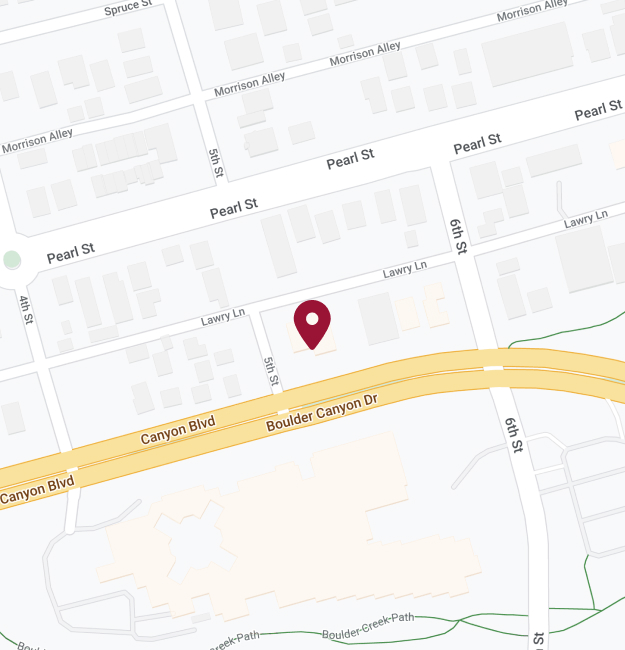
Located in downtown Boulder, across from the Justice Center. Take Canyon Boulevard to 5th Street. Our building is right on the corner of 5th and Canyon, with exposed red brick on the front. We offer onsite underground parking just to the right after you turn onto 5th. An elevator takes you to our open and light offices on the second floor.


